
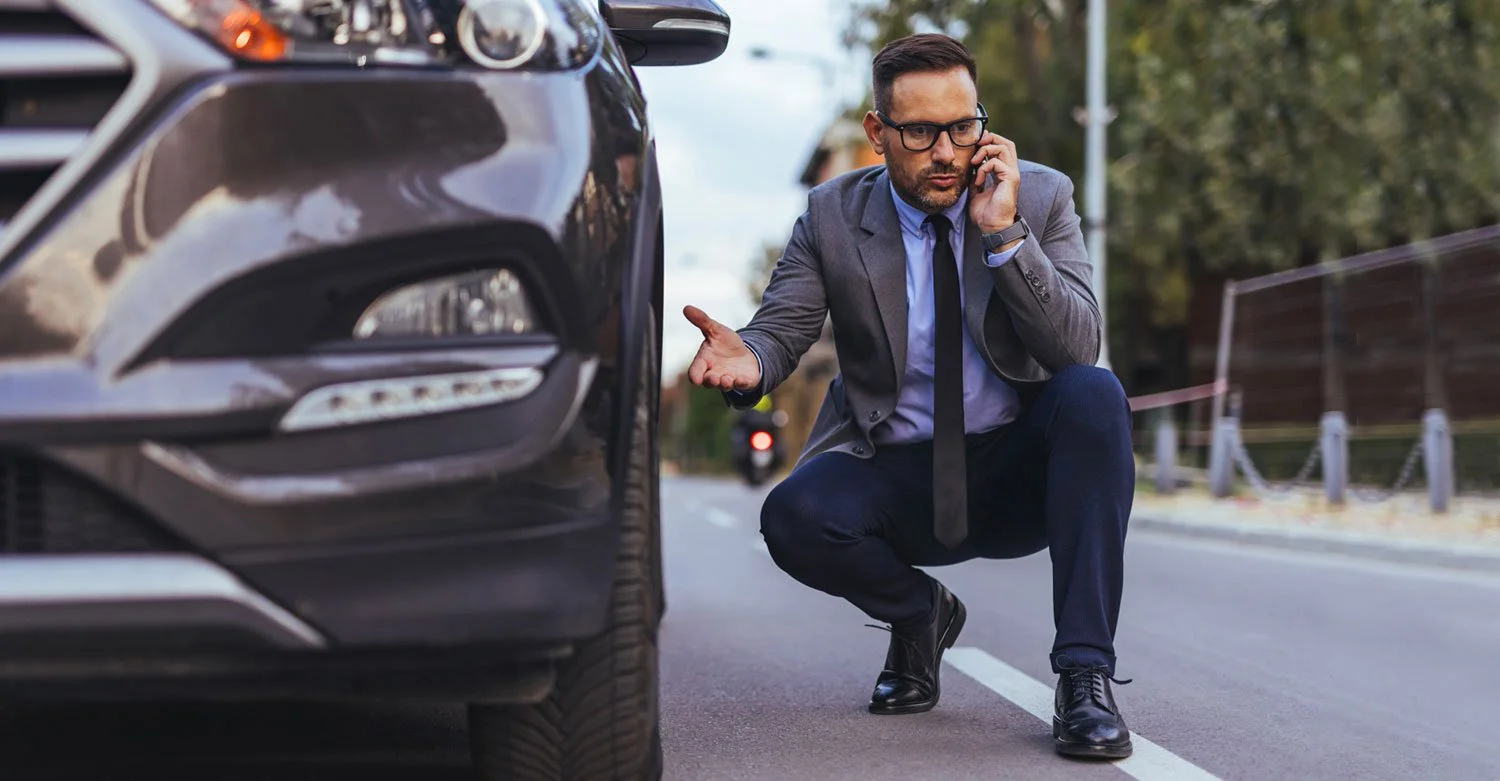
A low‑speed tap in stop-and-go traffic. A minor scrape during a tight turn. Fender benders like these occur on American roads every single day, and what follows is a predictable sequence. Drivers step out of their vehicles, assess the damage, and call for police assistance. But more often now, that call ends with a surprise: dispatch informs them that no officer is coming.
IMPORTANT:
Drivers should report every accident to law enforcement, regardless of severity or whether they expect an officer to be dispatched. A call to police creates a record of the incident and ensures that any circumstances requiring an officer response can be properly evaluated by dispatch.In recent years, many police departments have adjusted their response protocols for non-injury, property-damage-only accidents. Instead of sending an officer to the scene, drivers are left to sort things out on their own. While this may seem straightforward, missteps in the moment can lead to complications later when navigating insurance claims or potential legal issues.
The Reality Behind Police No-Response Policies
Police departments throughout the U.S. handle thousands of traffic collisions a day. Each response requires time and resources: assessing the scene, managing traffic, gathering statements, and completing detailed paperwork. With rising call volumes, staffing shortages, and budget constraints, many agencies have concluded that responding to every minor crash is no longer feasible.
As a result, many jurisdictions now follow a streamlined policy: if no one is injured, the vehicles are drivable, and no crime is suspected, dispatch may decline to send an officer.
This approach allows departments to prioritize more urgent calls, from violent crimes to collisions involving serious injuries or fatalities.
Critical Actions When No Officer Responds
If police advise that an officer will not respond, there are several deliberate steps you can take to protect yourself and your company against liability disputes and fraudulent claims.
Exchange information. Collect the names, addresses, and phone numbers of all drivers involved. Photograph their license, insurance card, and vehicle registration to prevent transcription errors. If there are passengers, jot down their names and contact details as well.
Limit what you say. Avoid discussing fault or making statements about what happened. Provide only essential information—your name, address, driver's license number, company details, and insurance information—and allow insurers to determine liability.
Identify witnesses. If another driver, passerby, or passenger observed the incident, politely ask for their contact information. Independent accounts can be especially valuable when no official police report is filed.
Photograph the entire scene. If safe to do so, use your phone camera to snap images from multiple angles, including wide shots showing vehicle positions and close-ups of damage, license plates, and surroundings. Capture road conditions, signage, signals, debris, and any skid marks.
Record a brief video. A slow, steady walk‑around video can help preserve context and details that still photos may miss. Avoid commentary—just capture the scene.
Document key details. Note the date, time, and exact location of the incident, along with vehicle descriptions, license plate numbers, and the number of occupants. Include a concise, factual account of what happened and any relevant road, weather, and visibility conditions while the information is still fresh in your mind.
Notify your insurance company immediately. Timely reporting helps initiate the claims process quickly and can reduce delays and associated costs. Lancer insureds should report all accidents by phone promptly.
Save dash cam footage. Follow your company’s procedures for preserving video before it is overwritten. Retaining this evidence can be critical if liability issues arise later.
File a report afterward. Even without an officer at the scene, you can typically submit a counter report—a civilian crash report—online or in person with the police department where the accident occurred. Stick to objective facts and avoid assigning blame. While not a formal investigation, it creates a time-stamped record of the incident.
A Shift in Responsibility
As police no-shows increasingly become the norm for minor vehicular accidents, the responsibility for creating a record of the incident falls to the parties involved. By meticulously gathering information, taking detailed photographs, preserving evidence, and reporting promptly, commercial drivers can establish a clear, credible account of what occurred and support a smoother claims process, even without an official police report.
