
Complimentary Safety & Compliance Support for
Lancer Policyholders
Navigating today’s evolving regulatory and legal landscape can be challenging—but you don’t have to do it alone. Lancer policyholders have access to experienced loss prevention professionals and self-service tools designed to help reduce risk, strengthen compliance, and improve safety performance. Whether you need help reviewing your SMS data or addressing regulatory concerns, our team is here to support you.
On May 14, 2026, the U.S. Supreme Court issued a landmark decision in Montgomery v. Caribe Transport II, LLC, ruling that freight brokers can be held liable under state law for negligently selecting unsafe carriers.
While focused on brokers, the decision has ripple effects for motor carriers—especially small trucking companies and owner-operators reliant on brokered freight.
Heightened Scrutiny Ahead
Before this decision, brokers routinely leaned on federal preemption under the Federal Aviation Administration Authorization Act (FAAAA) to shield themselves from negligent hiring lawsuits. The Court ruled these claims fall outside the FAAA’s protection, allowing brokers to be sued in state court for hiring poorly rated carriers involved in serious crashes.
As a result, brokers are now incentivized to:
Rigorously evaluate carrier safety and performance data
Document vetting processes thoroughly
Favor trucking operations with strong safety records
The takeaway for carriers is straightforward: prior safety performance is becoming a gatekeeper to freight access. An “average” profile may no longer be enough, and even legally authorized companies risk losing opportunities if their safety history raises concerns.
Act Now to Protect Freight Opportunities
For small trucking companies and owner-operators, this environment demands discipline, consistency, and proactive safety management. Those who adapt quickly will be best positioned to maintain—and increase—their access to brokered freight.
The following actions are worth prioritizing:
1. Audit Your Safety Measurement System (SMS) Profile

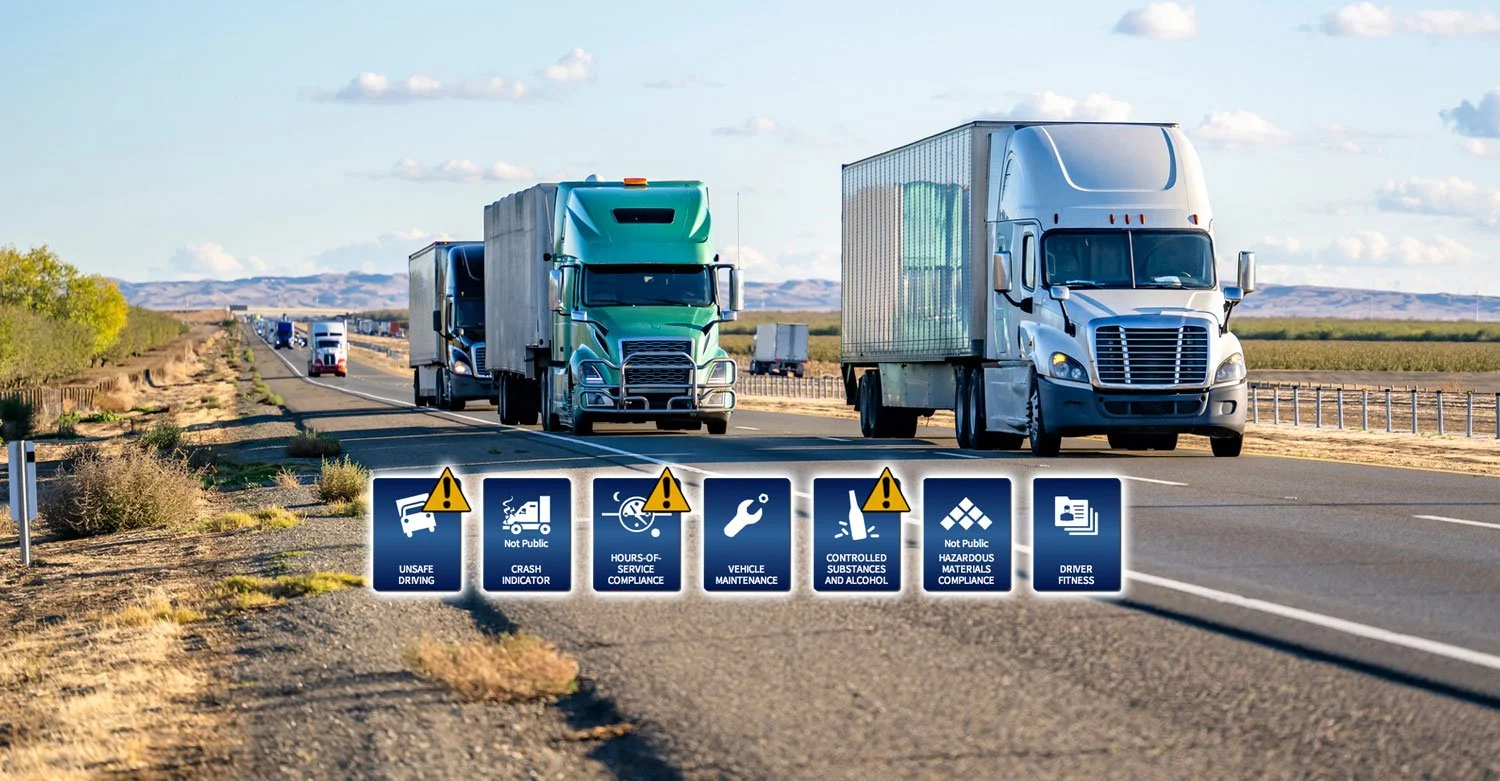
Begin by understanding where your company stands. Log into the Federal Motor Carrier Safety Administration (FMCSA) Portal to view your SMS data and status in each Behavior Analysis and Safety Improvement Category (BASIC).
For small carriers, the Montgomery v. Caribe Transport II decision raises the stakes for how SMS profiles are managed.
Ensure your Motor Carrier Identification Report (MCS-150) is accurate. Even small discrepancies, like fleet size or vehicle miles traveled, can affect how your data is interpreted.
If you identify incorrect inspection or crash details, submit a Request for Data Review (RDR) through FMCSA’s DataQs system. Successful challenges remove violations from your record, and each removal enhances your overall standing.
If your BASIC percentiles are elevated, improvement is achieved by eliminating violations and sustaining clean inspections over a rolling 24-month period.
2. Strengthen Safety Controls
Better SMS results come down to correcting the behavior that leads to violations and crashes. Analyze each BASIC to pinpoint where violations are occurring. Whether they are tied to hours-of-service compliance, maintenance issues, or driver conduct, patterns reveal where action is needed most.
Equally important is how safety is managed daily. Robust performance is built on clear expectations, well-defined and enforced policies, teamwork, ongoing education, and consistent follow-through. When safety is embedded into processes across your entire organization—not treated as an afterthought—you reduce risk and improve results.
There are practical tools to accelerate progress. FMCSA’s Safety Management Cycle (SMC) provides a structured approach to identifying root causes and correcting them through six core areas—policies and procedures, roles and responsibilities, qualification and hiring, training and communication, monitoring and tracking, and meaningful action. Used consistently, the SMC helps shift your operation from reactive fixes to proactive, sustainable safety performance.
3. Be Selective When Hiring Drivers
Every violation, crash, and inspection result a driver incurs while employed by your company impacts your SMS record for 24 months. That makes hiring one of your most consequential business decisions.
A methodical, well-documented hiring process is essential—not just to meet regulatory requirements, but to protect your safety rating and ability to secure freight. Thorough screening should go beyond basic qualifications to evaluate a driver’s history, reliability, and on-the-road risk. This level of diligence sets your operation apart in a more competitive, scrutiny-driven freight market and helps ensure its long-term viability.
4. View Training as a Continuous Process
Once you’ve invested time and resources to bring qualified drivers into your operation, the focus shouldn’t stop at onboarding. Keeping those drivers sharp requires ongoing training, refreshers on compliance requirements, and consistent reinforcement of safe driving practices. This not only helps maintain strong performance standards but also reduces the likelihood of violations and reinforces the safety culture that protects your SMS profile over time.
5. Keep Maintenance Violations in Check
Vehicle maintenance violations are one of the leading causes of poor carrier safety ratings. A disciplined preventive maintenance program—built around time, mileage, engine hours, or gallons of fuel used—helps catch mechanical problems before they lead to breakdowns, accidents, violations, and/or out-of-service (OOS) infractions.
Equally important are consistent pre- and post-trip inspections. When drivers are encouraged to identify and promptly report vehicle defects, minor concerns are addressed before they escalate into compliance issues.
6. Actively Manage Your Data
Regularly review your SMS data and look for emerging trends. Early identification allows you to take corrective action, such as providing targeted driver coaching, clarifying policies, or shortening preventive maintenance intervals, before issues escalate.
Technology can also play a key role here. Tools such as telematic systems, electronic logging devices, and driver monitoring platforms, can help identify at-risk drivers before their behaviors become violations and appear in your SMS profile.
The Stakes Have Changed
The Supreme Court decision has reshaped how risk is evaluated and freight contracts are awarded. Brokers are now operating under greater legal exposure, prompting more cautious carrier selection.
For small trucking companies and owner operators, the message is clear: your motor carrier safety and performance profile is no longer just a regulatory snapshot—it’s central to your ability to compete. Carriers that invest in disciplined safety practices, hire drivers strategically, and actively manage their data will be best positioned to succeed.
