
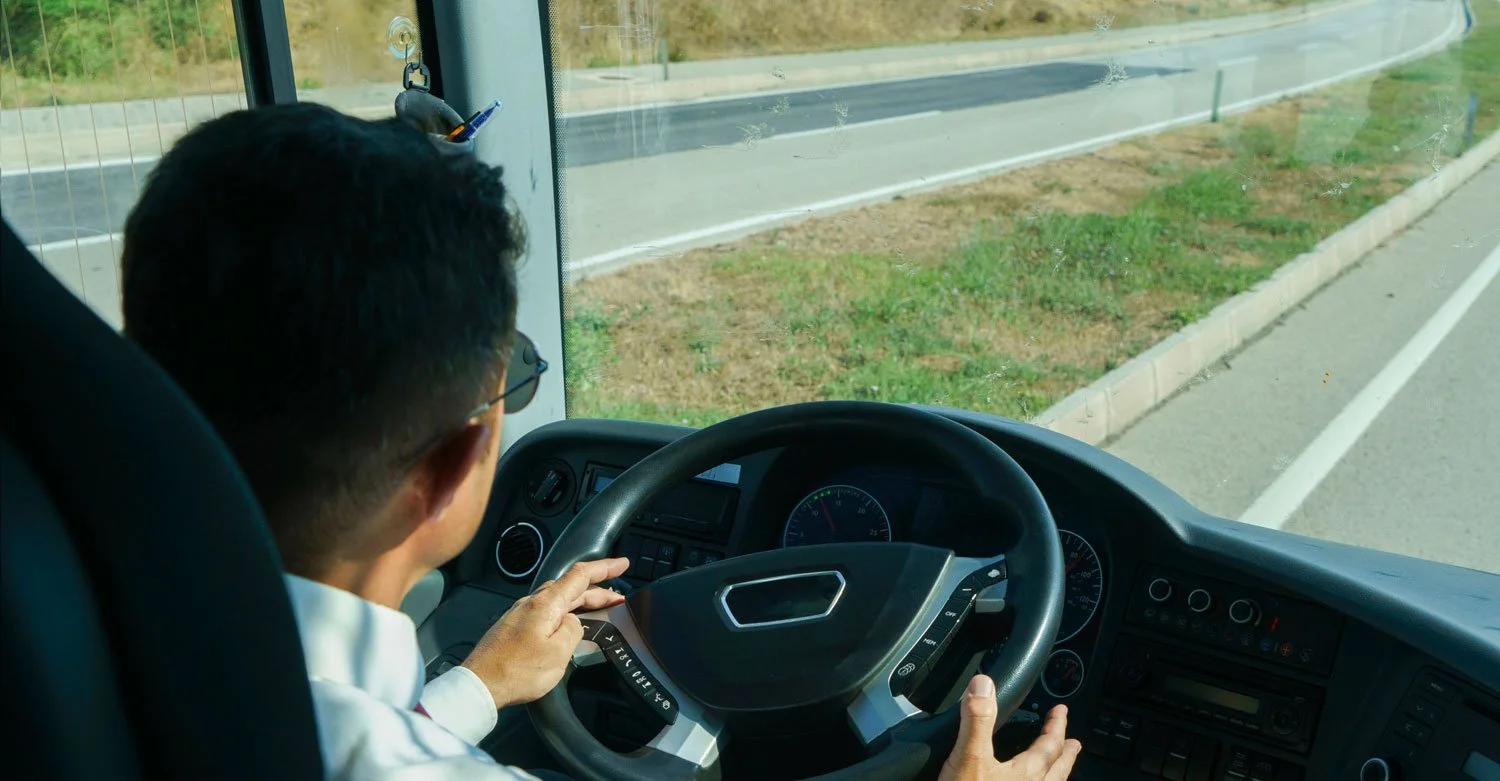
The FIFA World Cup 2026 will put passenger transportation drivers at the center of one of the most visible mobility operations in the world. Every pickup, drop-off, and route will be part of a tightly choreographed movement of teams, officials, media personnel and spectators between airports, hotels, stadiums, fan festivals, and entertainment areas. While operators manage the logistical plans behind the scenes, it is drivers who bring those plans to life on the road.
Success in delivering a safe and seamless experience on every trip will depend on preparation, discipline, and execution behind the wheel.
PREPARING FOR EACH TRIP
Every assignment during the World Cup should begin long before the engine starts. Careful trip preparation sets the tone for safety and efficiency throughout the journey. Stay ahead of potential issues by keeping a few simple strategies in mind:
Review your assignment. Confirm all trip details—pickup and drop‑off points, venue maps, and any special instructions. Touch base with management or dispatch to clear up questions. Large events often shift plans at the last minute, so staying on top of updates is essential for a seamless run.
Plan routes carefully. World Cup host cities will roll out temporary road closures and alternate traffic patterns, which means congestion will be heavier than usual. Rely on trusted resources for up‑to‑date routes and alerts and build in extra time for every trip. If you’re using GPS, be sure it’s designed for commercial motor vehicles. And don’t forget, weather can change in a hurry, so keep an eye on conditions.
Avoid convoying. Even when multiple vehicles are headed to the same destination, travel separately. Maintaining generous spacing between units helps prevent chain‑reaction crashes and gives every driver the space they need to react safely to changing traffic conditions.
Perform thorough inspections. Beyond federally mandated pre-trip checks, confirm that the air conditioning, communication systems, and passenger amenities are working properly. Ensure cargo bays are clean and organized, since many World Cup groups will be traveling with luggage and equipment. With high passenger volumes and extended event days your equipment will be under extra strain, so reliability is crucial.
DRIVING WITH PROFESSIONALISM AND AWARENESS
As a passenger transportation driver during the World Cup, your mission is to deliver safe, reliable, and comfortable trips while creating a top‑tier travel experience from start to finish. The following suggestions will help you meet—and exceed—those expectations:
Mitigate fatigue risks. Extended hours, late-night departures, and irregular schedules can all impact alertness. Recognize early signs of fatigue and use all available resources—dispatch support, relief drivers, and mandated rest periods—to stay within safe operating limits.
Deliver a welcoming experience. Greet passengers warmly, offer help when boarding and alighting, and remain calm and composed behind the wheel. Also remember to supervise and control access to your vehicle.
Brief passengers before departing. Provide travel time estimates and arrival information. Review safety guidelines, including seat belt use (if applicable), evacuation procedures, and staying seated while the vehicle is in motion. Lancer’s “Welcome Aboard” DVD may be used to reinforce these messages. Clear communication is essential, particularly for international passengers who may have limited English proficiency.
Keep your attention where it belongs. Adjust mirrors and controls prior to departure and refrain from any activity that diverts your focus from driving. Save all non-driving tasks until you are safely parked.
Prioritize defensive driving. World Cup host cities will see severe traffic congestion, heightened law enforcement presence, and sudden traffic pattern changes. Keep your eyes scanning for hazards and adjust your speed and following distance to match the environment.
Expect unpredictable moves from out-of-towners. Tourists often brake suddenly, hesitate at turns, and make last‑second decisions when navigating unfamiliar streets. Give yourself extra space to react smoothly and safely.
Stay alert for heavy foot traffic. Fan zones and areas around stadiums will be packed with pedestrians. Slow down, remain vigilant, and be ready to stop.
Take a measured approach in venue zones. Expect tight, crowded conditions as rideshare vehicles, limousines, media trucks, and buses converge. Stay alert, proceed slowly, signal your intentions clearly, and follow instructions from venue personnel.
Exercise elevated caution post-game. After matches, traffic and pedestrian congestion will quickly intensify. There is also a heightened chance of encountering inebriated fans. Stay sharp and leave generous space around your vehicle.
End every trip on a positive note. Thank passengers, remind them to check for personal belongings, and confirm the next pickup time if applicable.
As the world turns its attention to North America for the FIFA World Cup 2026, passenger transportation drivers will play a vital role in keeping the event moving smoothly. With careful preparation, unwavering professionalism, and a steadfast commitment to safety, you will help deliver a seamless, memorable experience that reflects the highest standards of the passenger transportation industry—and leaves a lasting impression on passengers from around the globe.
