
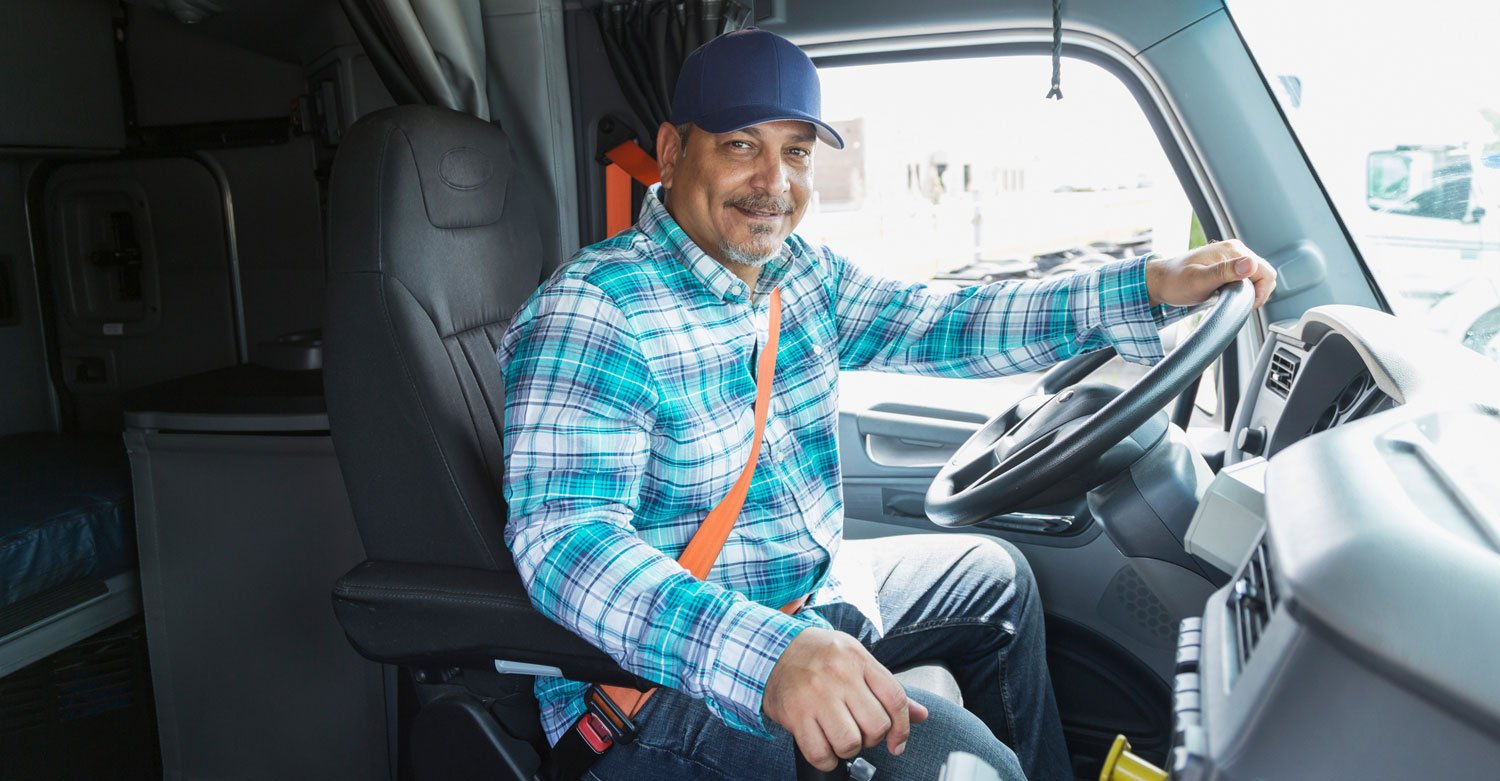
Seat belts save lives—plain and simple. Yet despite unmistakable evidence and federal requirements, about one in seven commercial motor vehicle (CMV) drivers still aren’t buckling up. Why? Many of the reasons come down to long-standing myths and misconceptions. It’s time to separate fact from fiction and take a closer look at what is the truth about seat belt use.
MYTH 1: Seat belts are uncomfortable and restrictive.
FACT: Modern seat belts are designed with comfort in mind, allowing for natural movement while still providing critical protection. In most cases, a properly adjusted seat, lap belt, and shoulder harness can eliminate pressure points and reduce any feeling of restriction.
MYTH 2: If you drive a large commercial vehicle, seat belts are not necessary.
FACT: Sitting behind the wheel of a vehicle weighing tens of thousands of pounds can give drivers a sense of security—but even equipment of this size cannot prevent the laws of physics. In a crash, the forces involved can throw unrestrained occupants into the steering wheel, dashboard, windshield, or other passengers or eject them from the vehicle—where they are four times more likely to be fatally injured. A seat belt helps keep drivers securely in place and in control, helping prevent a bad situation from becoming worse.
MYTH 3: Good commercial drivers don't need to wear safety belts.
FACT: While skill and experience can reduce risk, even the best CMV drivers can encounter situations beyond their control—such as another driver causing an accident, a sudden road hazard, severe weather, or a tire failure. A seat belt is your last line of defense, helping keep you in position, in command, and protected when the unexpected happens.
MYTH 4: Seat belts can cause you injury in a motor vehicle crash.
FACT: When worn properly, seat belts seldom cause injuries. If they do, the injuries are generally only minor bruises. Studies have consistently shown that injuries in most serious crashes would have been much more severe had seat belts not been worn.
MYTH 5: If your vehicle is equipped with air bags, you don’t need to wear a seat belt.
FACT: Air bags are designed to work in tandem with seat belts, not replace them. Without a seat belt, you can be hurled into a deploying airbag with explosive force, turning a life-saving device into a serious hazard.
MYTH 6: Seat belts prevent you from escaping a burning or submerged vehicle.
FACT: Incidents that result in a vehicle being submerged in water or engulfed in fire account for less than 5% of fatal large truck crashes. In fact, seat belts can keep you from being knocked unconscious and unable to help yourself in these extreme circumstances.
MYTH 7: Buckling and unbuckling your seat belt all day takes too much time.
FACT: Three seconds is all it takes to buckle up. Even with frequent stops and starts, fastening and unfastening your seat belt adds up to about one minute of your day. That small investment helps keep you in the seat and in control of your vehicle when it matters most. One minute of habit can protect a lifetime—every trip, every time.
MYTH 8: If you’re only traveling a short distance or driving at a low speed, a seat belt isn’t necessary.
FACT: Vehicle crashes are among the leading causes of preventable injury-related death in the nation and can happen anytime, anywhere, no matter how far or fast you are traveling. Even a routine stop or familiar route can turn dangerous in an instant. The safest habit is simple: every trip, every time, wear your seat belt.
MYTH 9: Wearing a seat belt is a personal choice that doesn’t impact anyone else.
FACT: It’s easy to think of seat belt use as an individual decision, but the ripple effects reach far beyond you. If you’re unrestrained and thrown from your position during a sudden maneuver or crash, no one is in control of your vehicle—putting everyone around you in danger. The consequences also extend to your loved ones and to society, with billions spent each year on preventable injuries and losses.
The facts are clear: seat belts save lives, reduce injuries, and make the roadway a safer place for everyone. For CMV drivers, buckling up isn’t just a smart choice—it’s a legal requirement. Make it a habit every time you start the engine. One simple click takes seconds but can provide lifesaving protection when it matters most.
